
– Why “No Pain” Doesn’t Mean No Problems
“I haven’t had any pain, so I thought everything was fine.”
It’s one of the most common things we hear, and one of the most dangerous assumptions you can make about your oral health. Dental problems are like silent assassins. Tooth decay, gum disease, and even infections can progress without any pain until they’ve already caused real damage. A dental examination isn’t just a check-up, it’s an early warning system. And like all good warning systems, its power lies in timing.
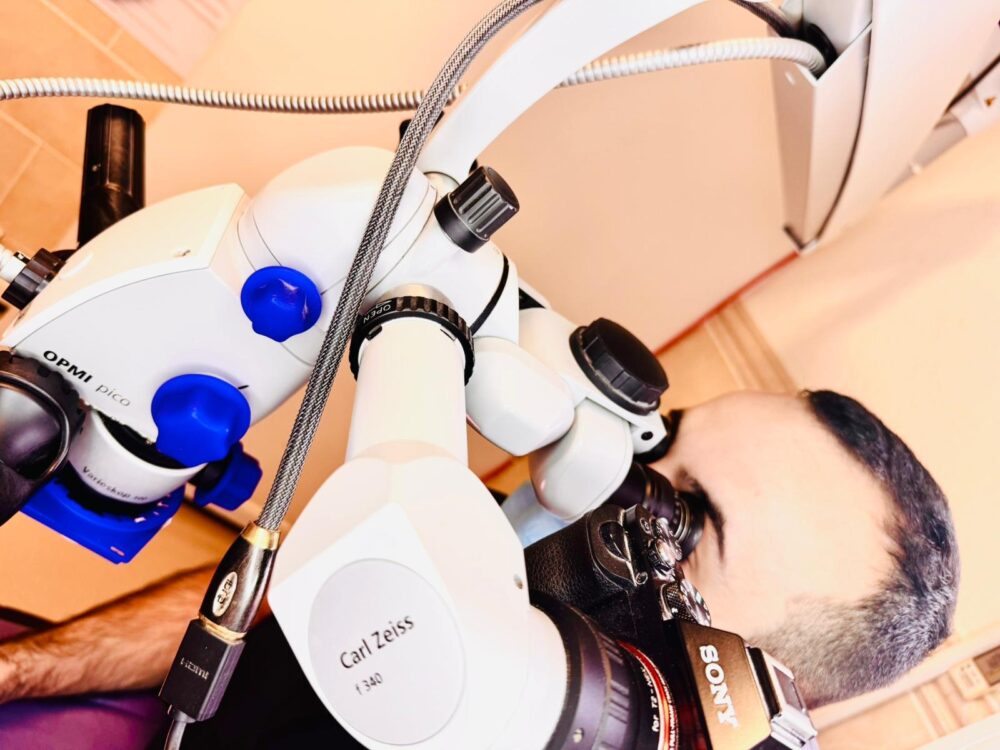
we check far more than just your teeth. We assess the health of your gums, screen for oral cancer, look for signs of grinding, erosion, decay, and even changes in how your bite fits together. We take X-rays only when necessary, usually to see the parts of the mouth we can’t see, like under fillings or between teeth. Think of it like your MOT, you don’t wait for the brakes to fail before you take the car in.
“How often should I have a dental check-up?” The standard answer is every six months, but it depends on your risk level. Some need more frequent monitoring, others less. If everything is stable and low risk, we’ll say so, because we’re not here to over-treat. We’re here to prevent.
“What if everything feels fine?” Here’s the truth, most dental problems don’t hurt until they’re expensive or difficult to fix. By the time a toothache shows up, the decay may have reached the nerve. By the time a tooth feels loose, the bone around it may have been compromised by gum disease. Catching things early is what saves you time, money, and unnecessary stress.
“If we fix it before it hurts, we often have less to do and more chance to save the tooth.” That’s the whole point of regular exams. We’re trying to fight small fires before they become wildfires.
We don’t lecture. We don’t shame. We simply give you the clearest picture of what’s going on, and your options for keeping things healthy long-term. We want to catch the quiet problems before they start shouting.
So if it’s been a while, and you’re thinking, “Well, nothing’s bothering me” that’s your window of opportunity. Don’t wait for your teeth to raise the alarm. Let’s check under the bonnet, give you peace of mind, and keep everything running smoothly.

Yes. Most serious dental problems don’t cause pain in the early stages. By the time something hurts, it’s often more advanced and harder (or more expensive) to treat.
For most people, every 6 months is ideal. Some patients with higher risk of decay or gum disease may need more frequent reviews, while low-risk patients may need less.
We check your teeth, gums, bite, jaw, and soft tissues. We also screen for oral cancer, signs of grinding, erosion, and early decay.
No. X-rays are only taken when clinically necessary, usually to see areas we can’t examine visually, like between teeth or under old fillings.